High Mountain Fishing
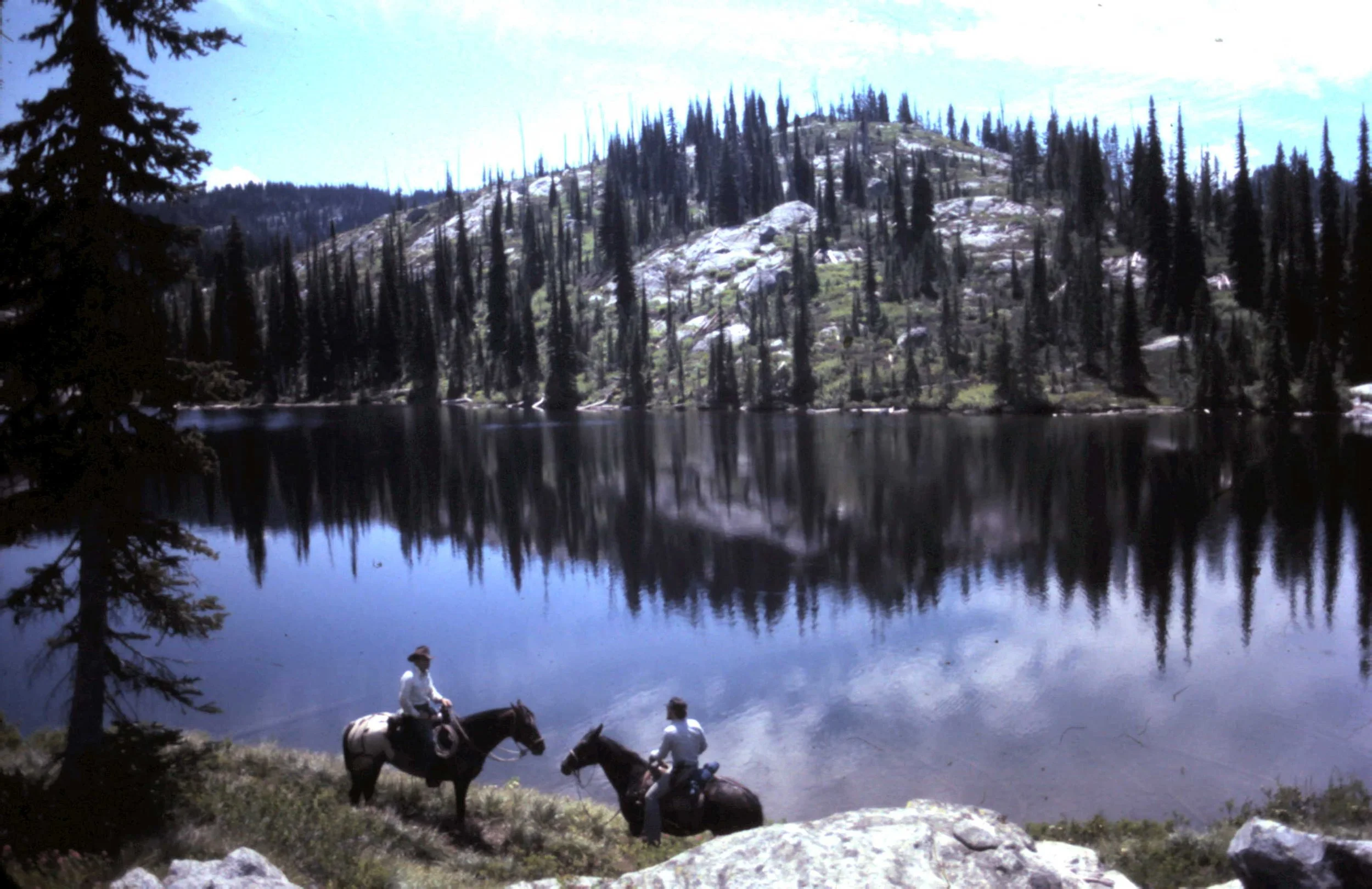
The lengths people go to catch a rainbow
When someone says they’re going fishing, my mind defaults to a shady spot beside a creek and a whittled filbert branch strung with a hook and worm. For others, going fishing is a weekend on a pontoon boat with three buddies and a bottle of bourbon. Or sitting in a lawn chair at the edge of the dock, casting hook, line, and sinker into a silent lake. Or standing thigh-deep in a river that rushes through the heart of the city. Or floating in a drift boat on Henry’s Fork (yeah, you know the place). From that Huckleberry-Finn version to the high-dollar chartered trip, in between is a catalog of what it means to go fishing. For my family, it meant going into the mountains in search of rainbow trout.
It was Mount Adams and Mount Saint Helens when I was a kid. Horses and pack mules got us there, and the trails—steep and barely as wide as a horse’s stance—added to the backcountry adventure. We still talk about one trip where we were brought to a dead stop on a perilous stretch of trail, and how my dad had to cut away a snag that was blocking the way to safety. My brother’s horse spooked at the sound of cracking branches and tumbling rocks, and the gelding decided to plow straight up the decomposing mountainside. Below us all was an equally steep slide into the ravine. Although the situation could’ve been life altering, to this day the retelling of it sends us into fits of laughter, sitting around the Thanksgiving table or summer barbeque. One of us will shout, “Whoa, you son of a bitch! Whoa,” and the rest of us are back on that slope watching an eleven-year-old boy cussing beyond his years and seesawing the reins to get his horse under control. Yes, gallows humor runs deep in my family.
If asked, I doubt any of us could say how many fish we caught that trip. But we could sure tell you about the log raft we used to explore a glacier-fed lake. Picking huckleberries and swatting mosquitoes. Eating store-bought pudding out of a little tin can. Listening to ghost stories and sleeping under the stars. Checking out the claw marks a bear had scored into a bug-riddled tree. Riding across an alpine meadow where the ground seemed to move until we realized it was a mass of tiny frogs jumping out of the way.
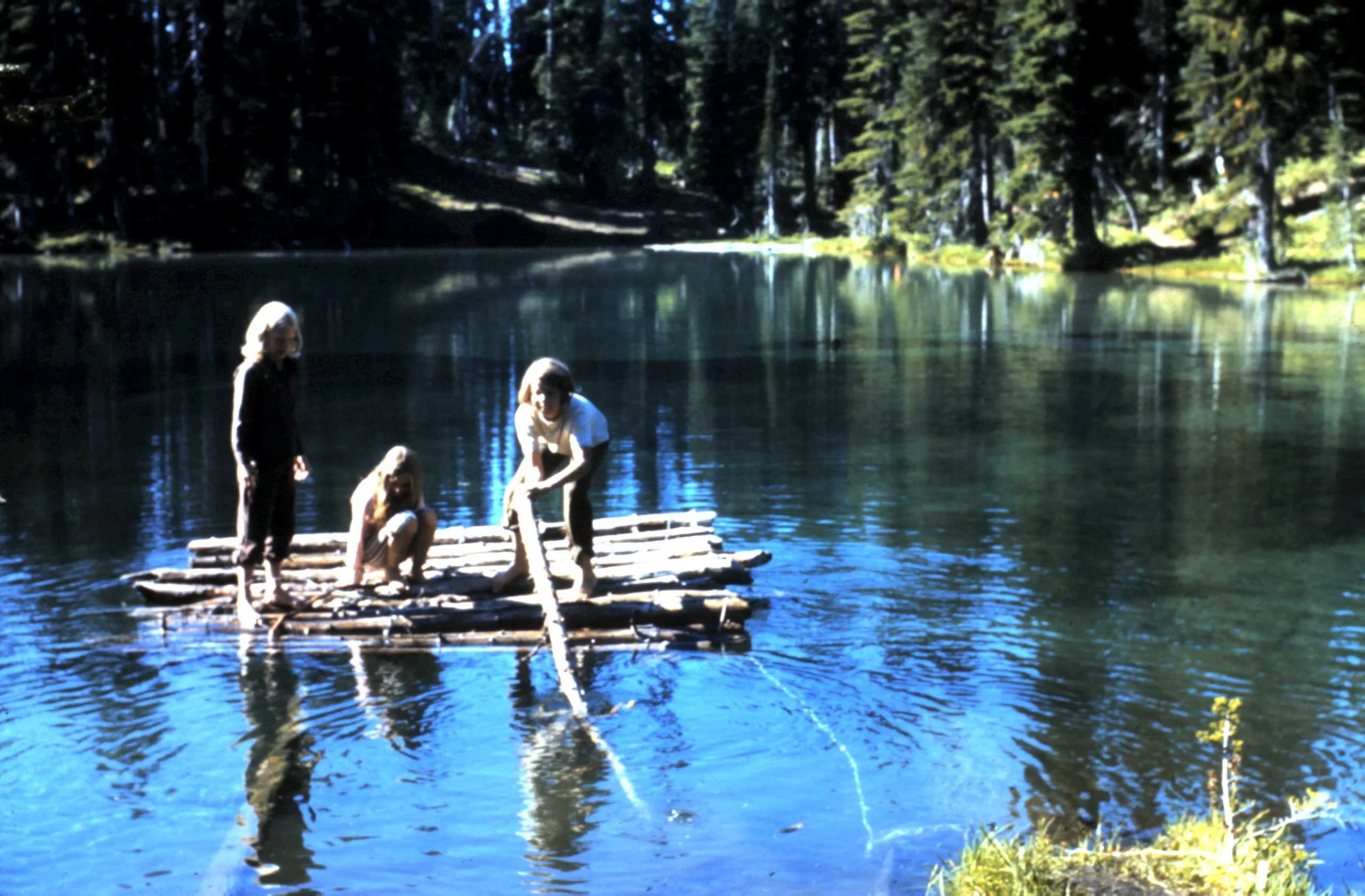
Lookingglass Lake, Mount Adams
When my folks moved to Idaho, it became the Seven Devils, the Sawtooths, and the White Clouds that offered the best high-mountain fishing. Mom and Dad would pack enough provisions to stay out for weeks at a time, and although work life made it hard for me to get away, I was lucky enough to tag along a few days here and there. The first thing I noticed was that fishing had become serious business. My parents and their trail riding buddies were outright competitive when it came to their catch, and I must say my mom was the best angler of them all. To everyone’s good fortune, she was arguably the best cook as well. We’d feast on rainbows and cutthroat that were powdered in flour, salt, and pepper and then fried up in butter. The skins papery crisp. The occasional bone the price you paid for a taste of heaven on your plate.
No one talked about the cost of those fish. The money spent on trucks, trailers, equipment, and gas. The expense of keeping pack animals year round for one or two trips a season. I’ve learned that the lengths people go to catch a fish will never be too great (and the cost never too high) for doing what they love. And I get it.
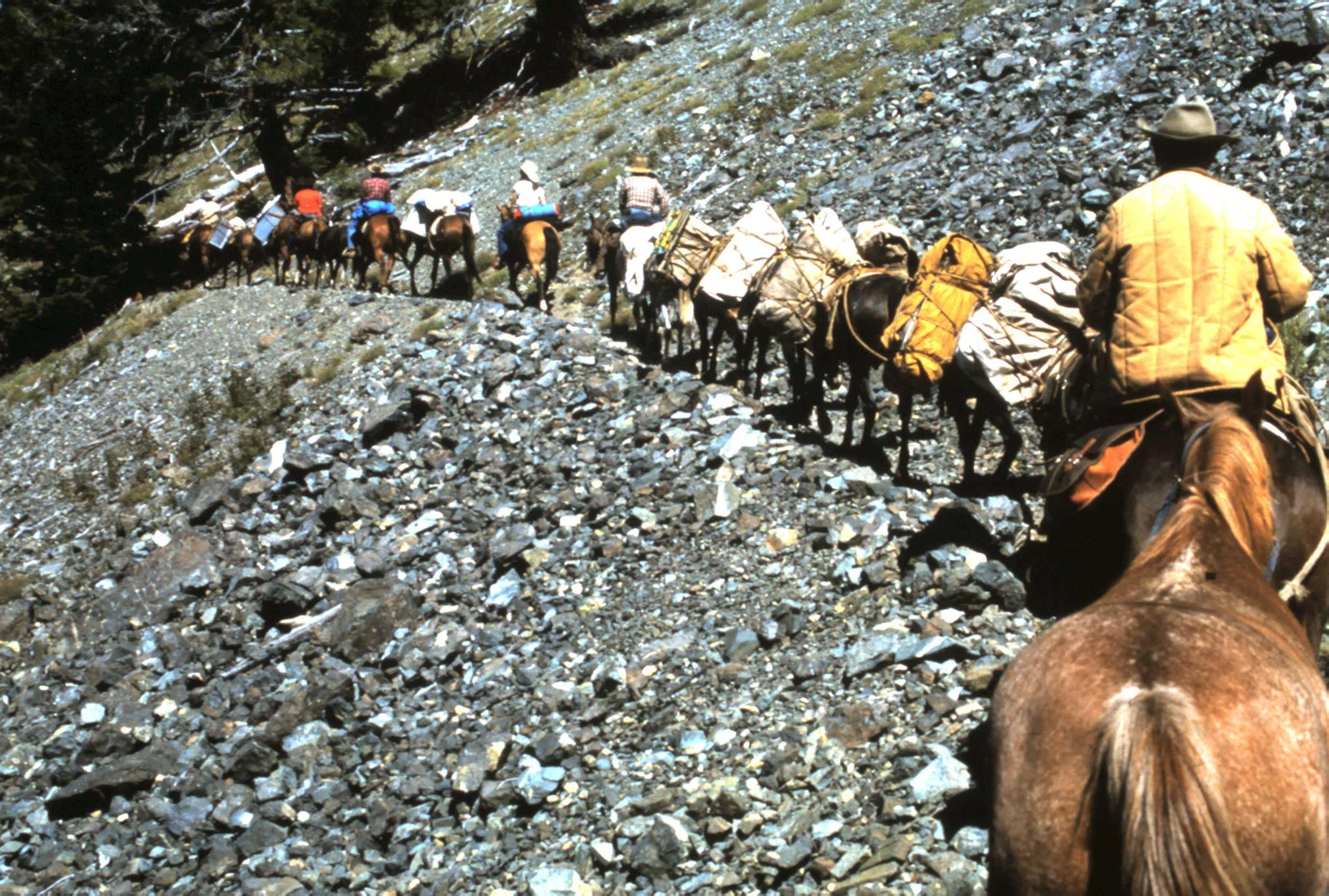
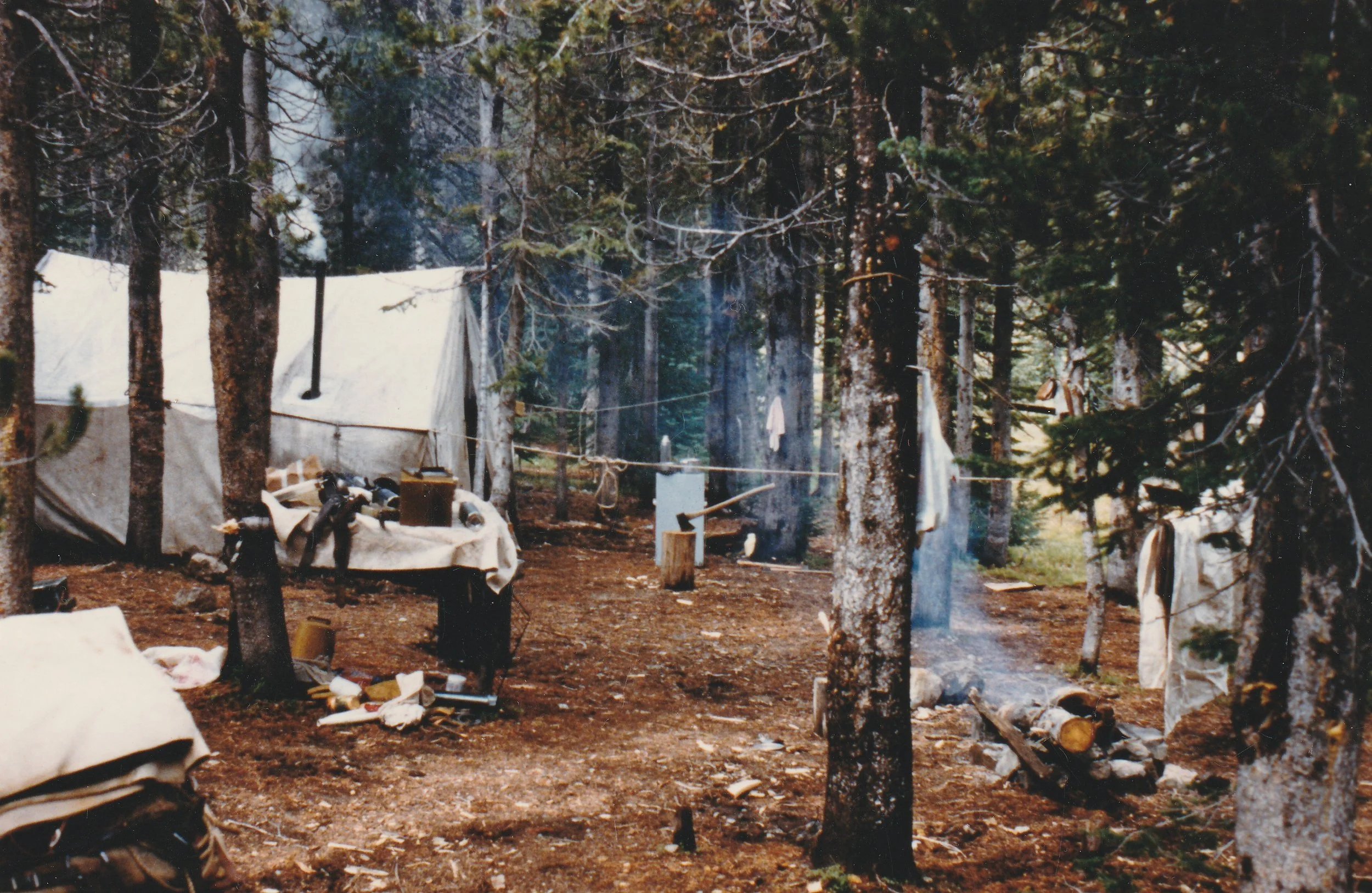
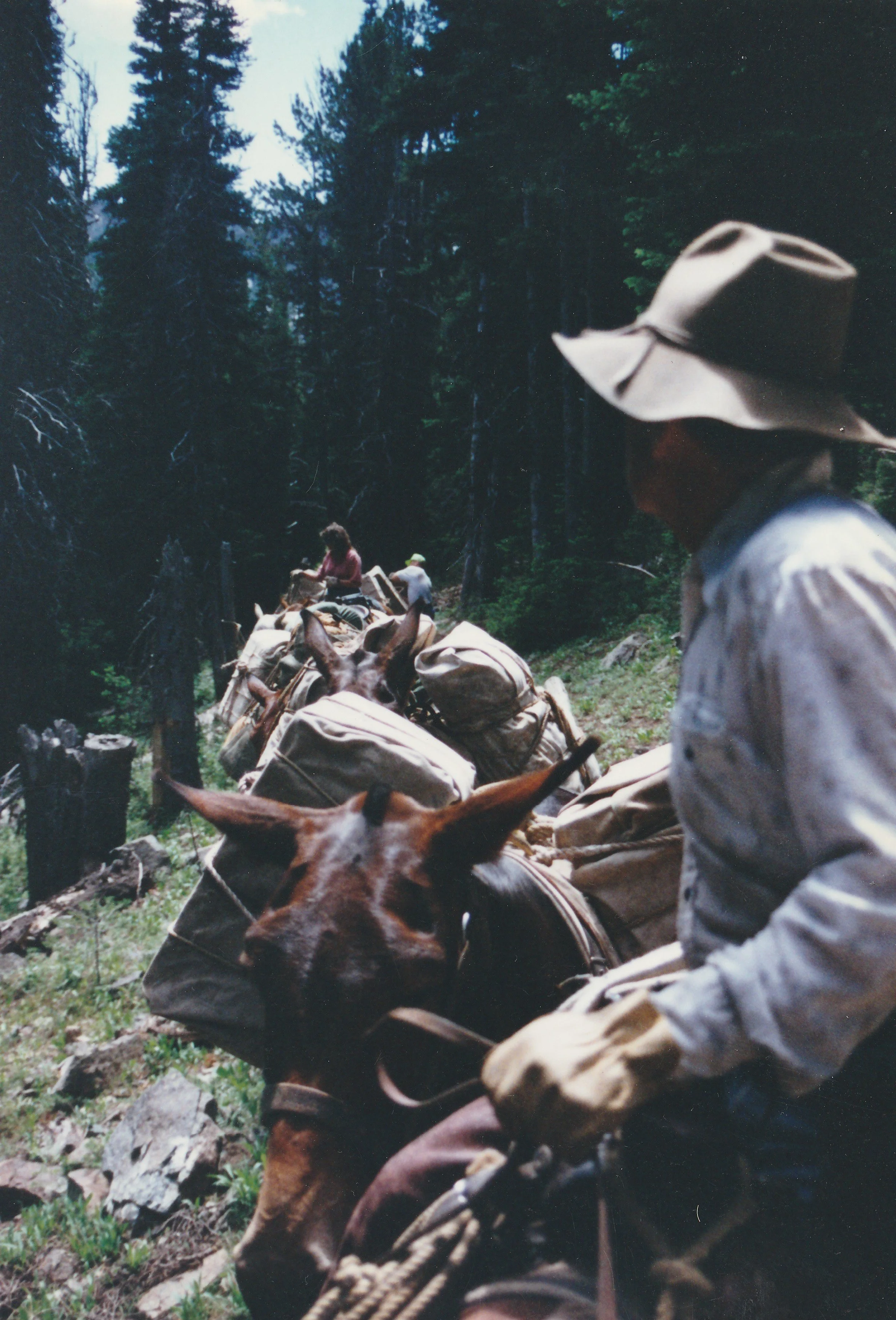
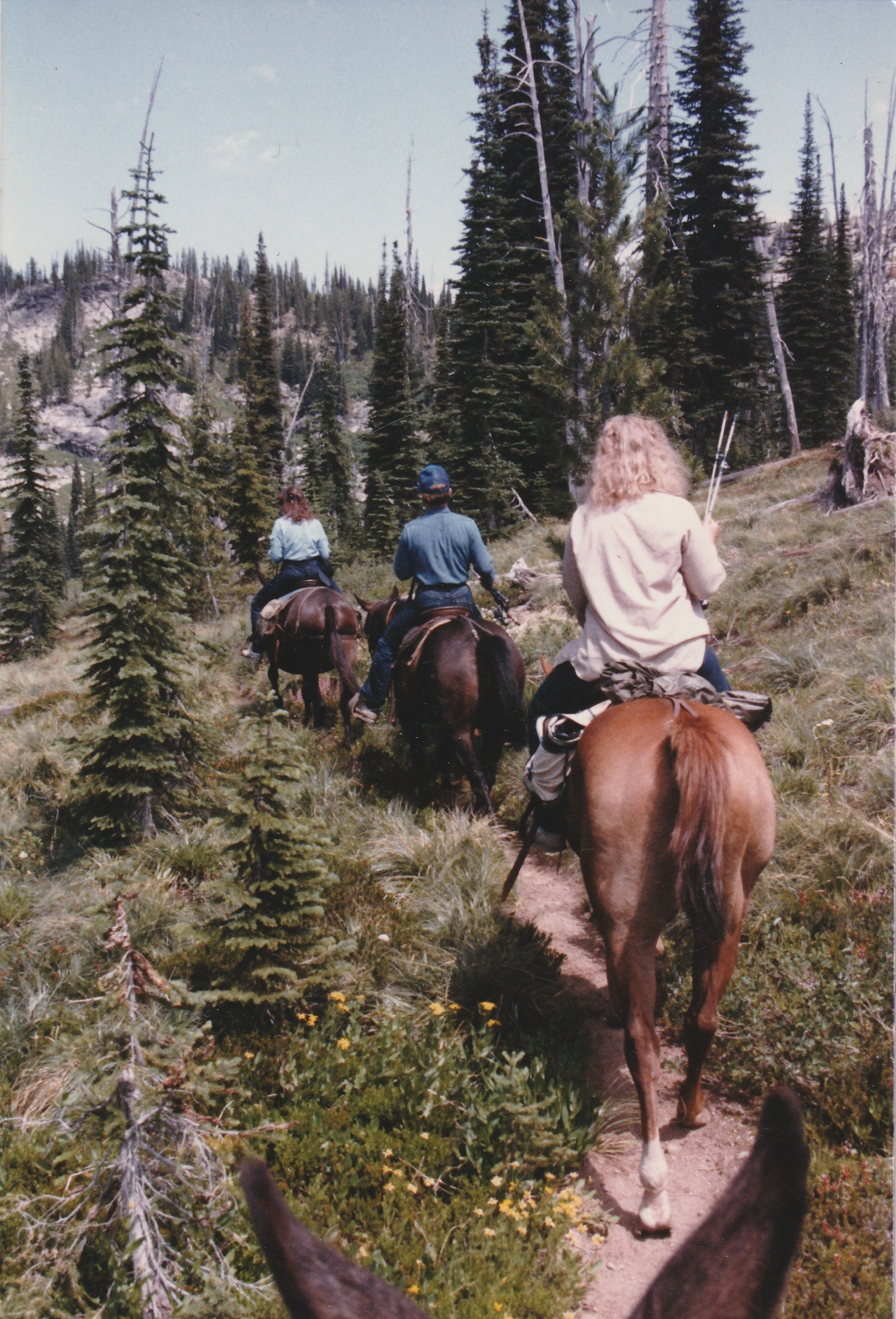
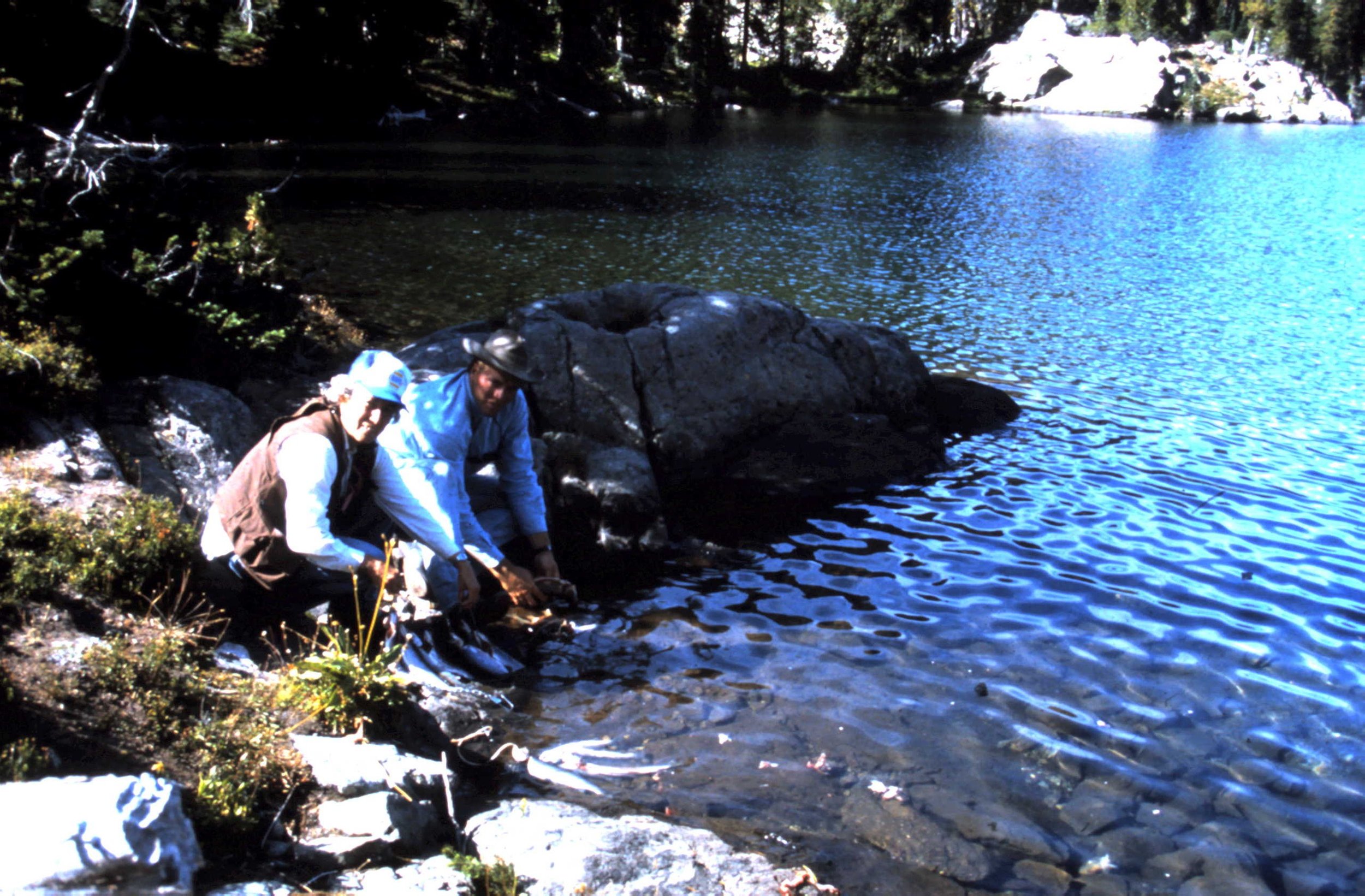
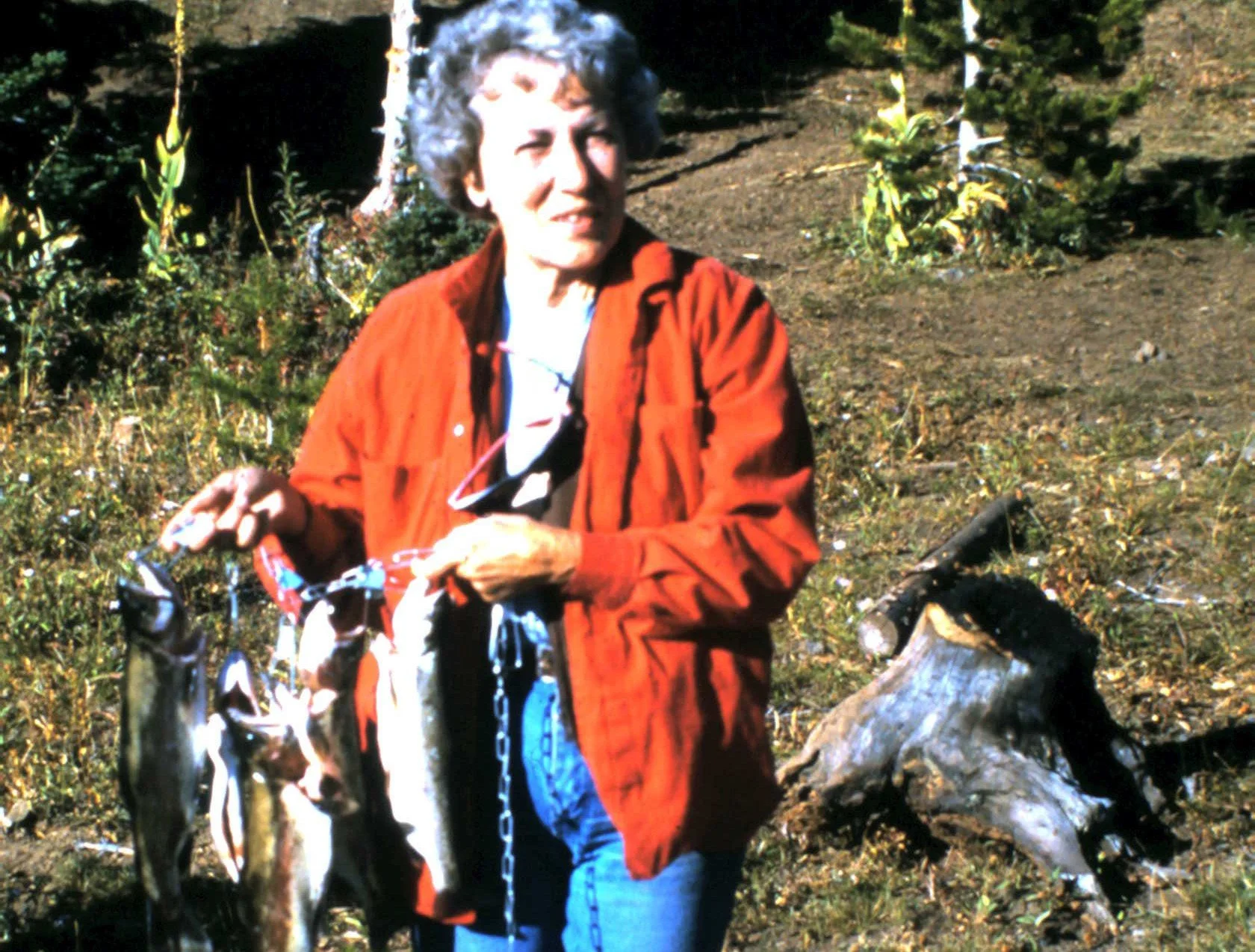
Now, when my husband and I want to head into the mountains, the fishing gear and picnic lunch get carried in our backpacks. Going on foot enforces a certain economy of scale, and I don’t even miss the canvas tents, sheepherder’s stove, tables, folding chairs, washtubs, mattresses, convertible pantries, or the multitude of other ‘necessities’ a string of mules can carry. I’m just grateful that while my folks were still alive, I got to go fishing with them.
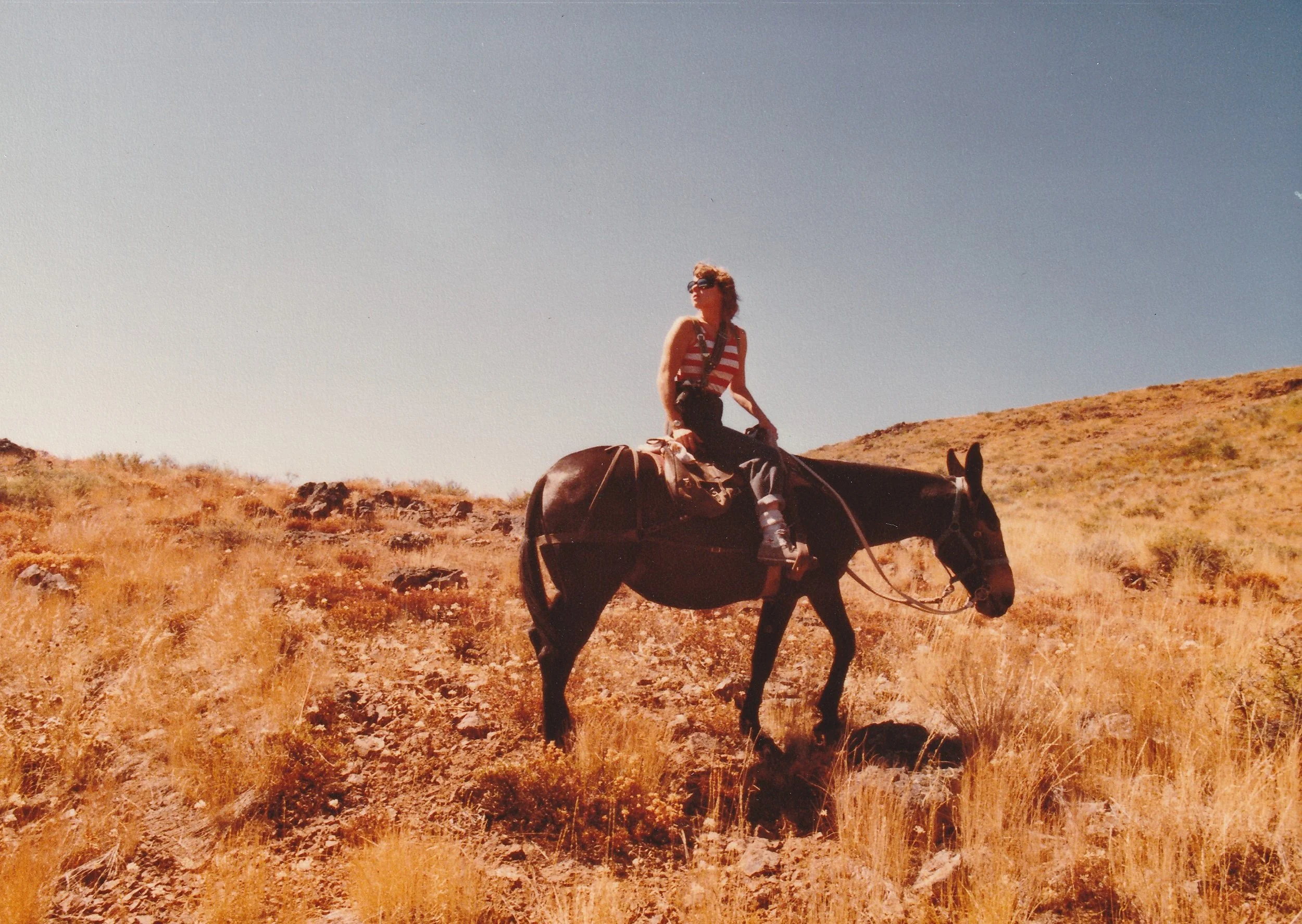
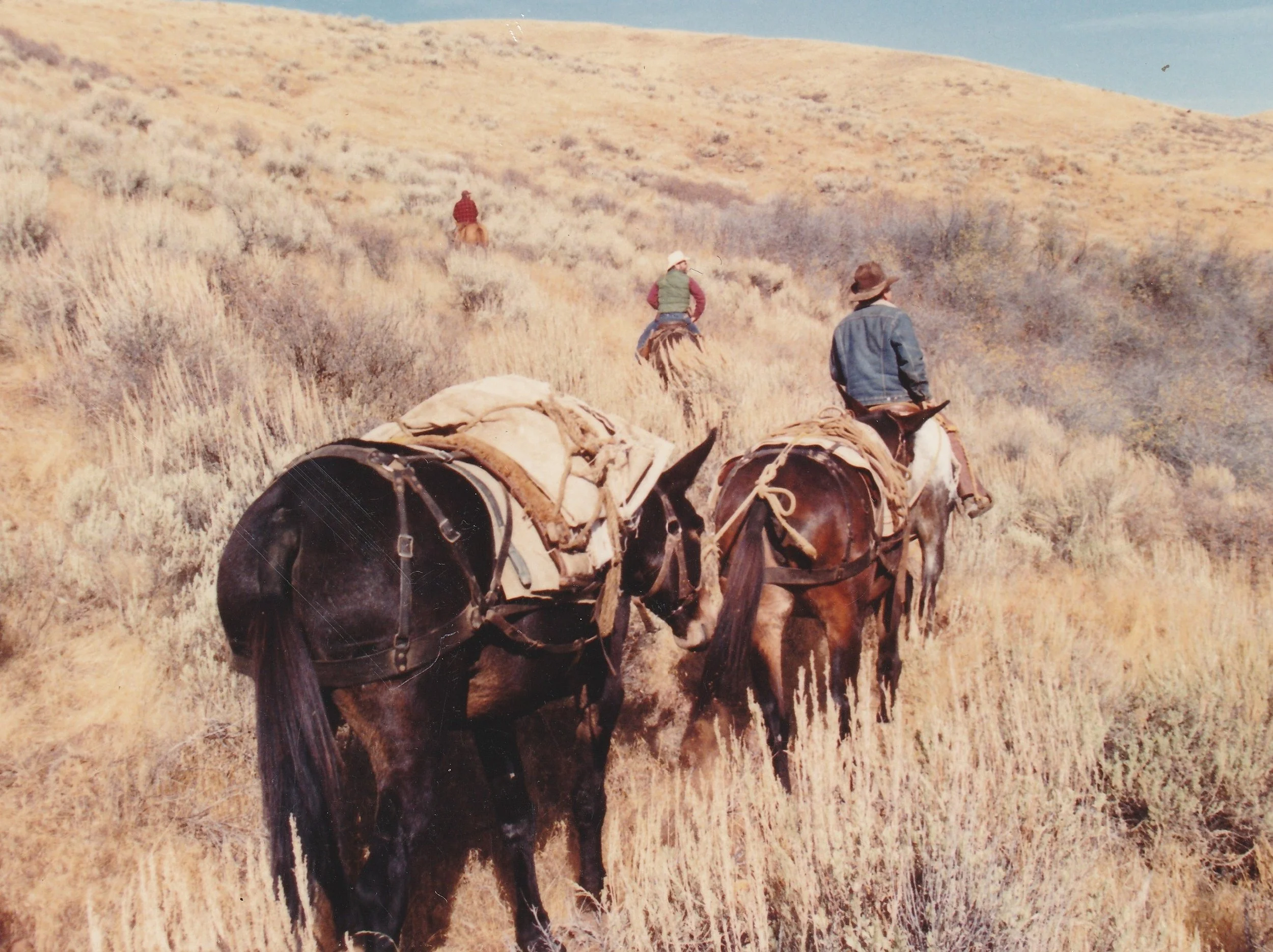
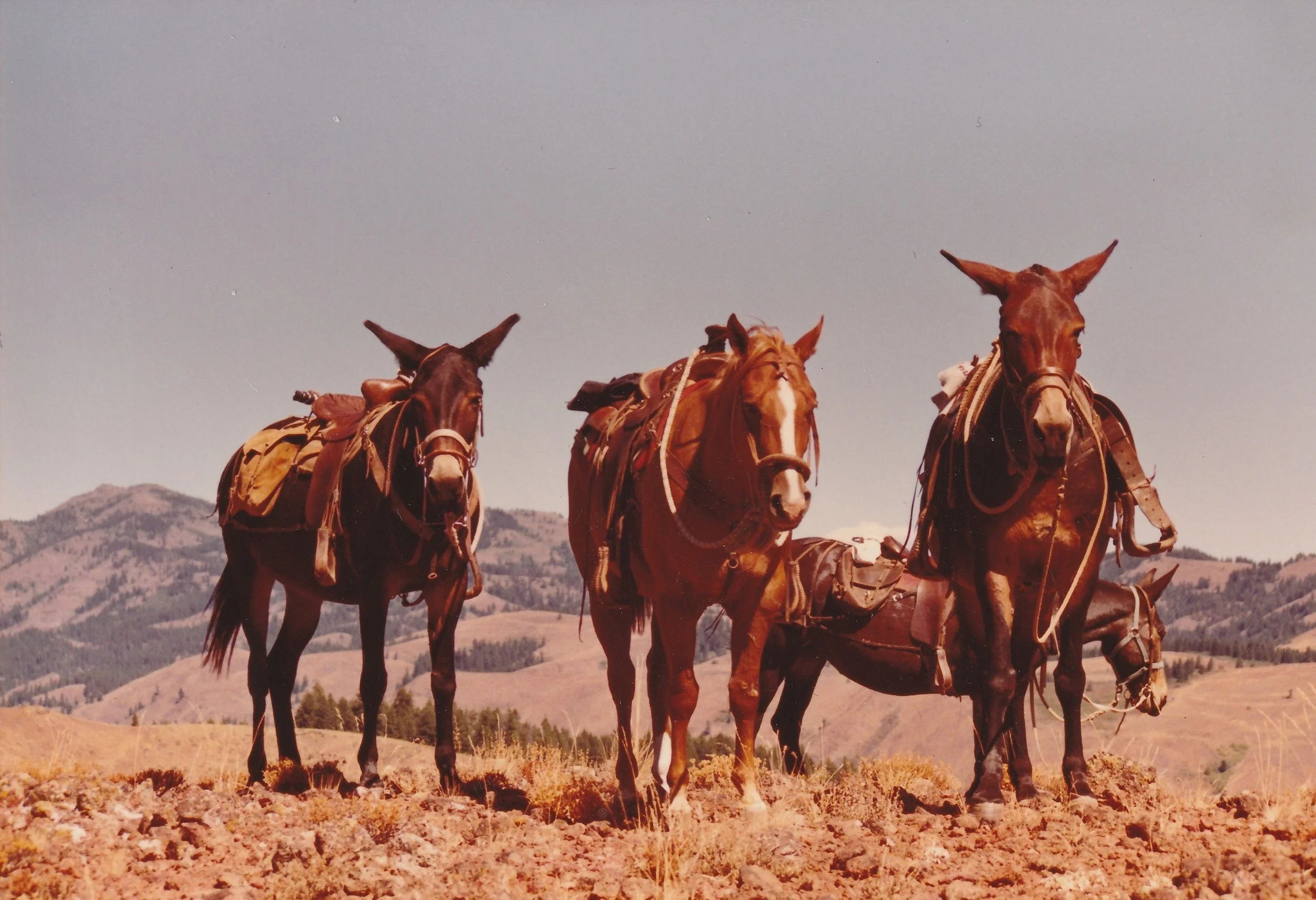
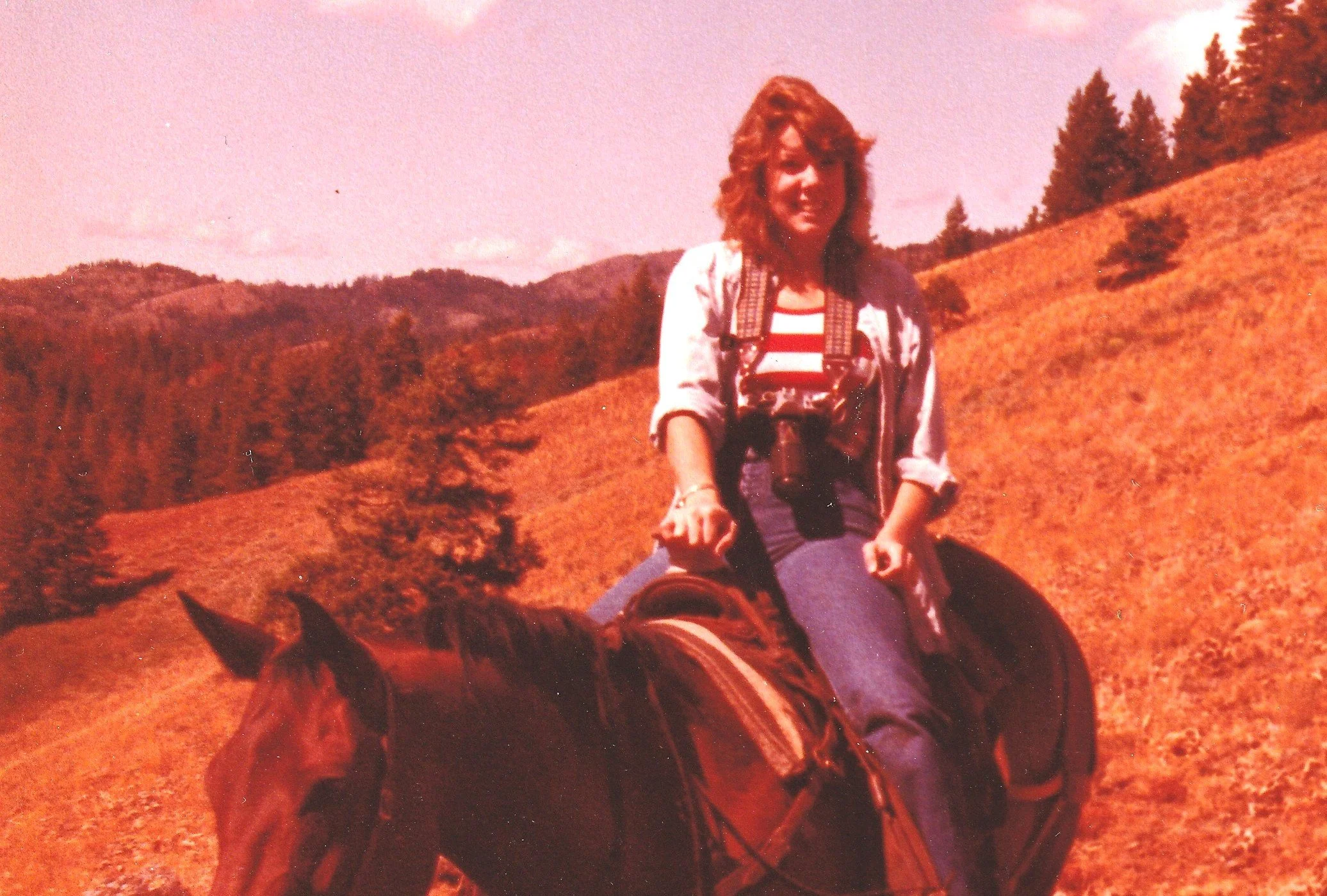
All photos are from my family’s private photograph collection, and images cannot be copied, reproduced, or used without written permission
To comment on this post, click here for my Contact page.
