They Called Us Girls
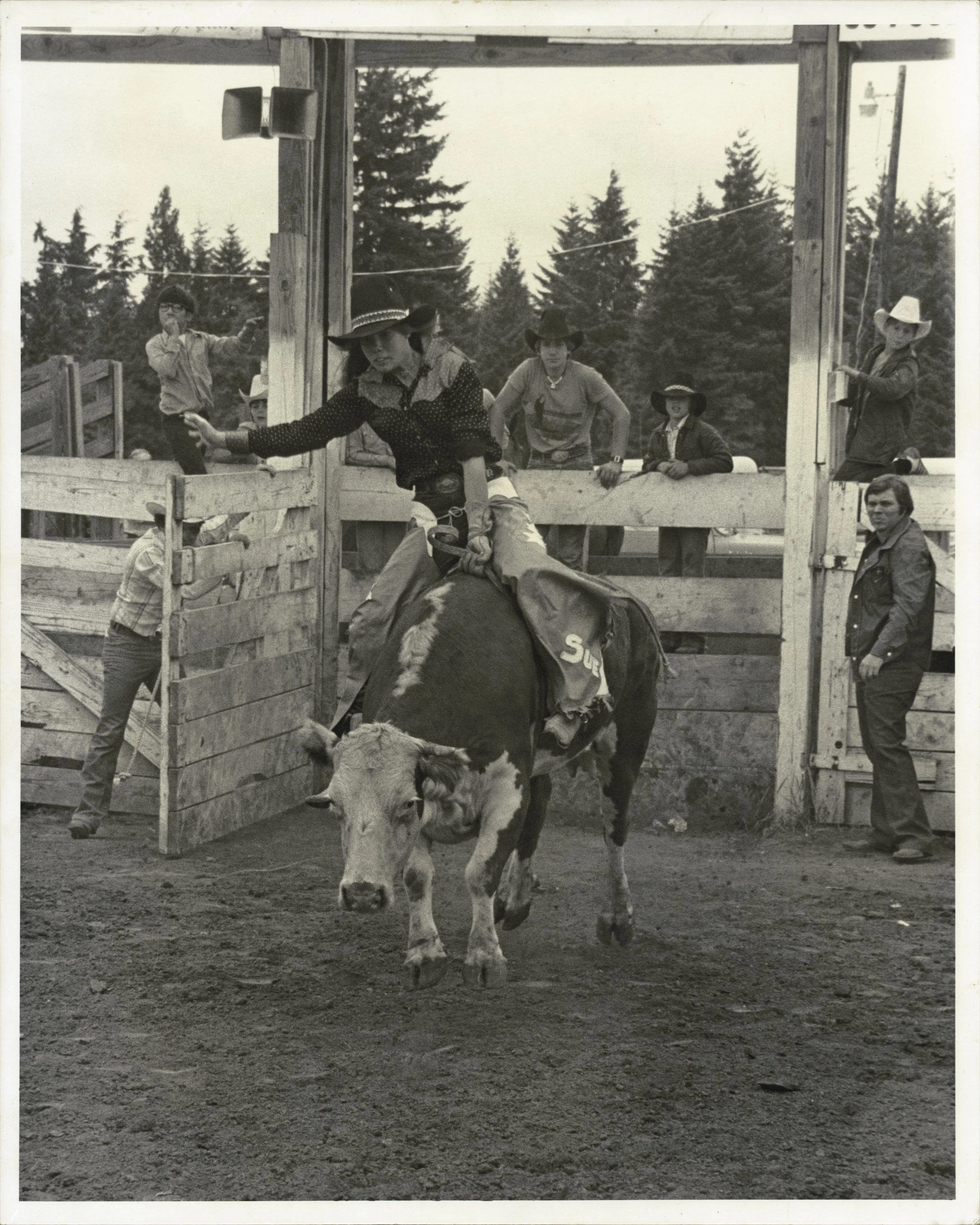
Clark County Junior Rodeo, Age 16
Me competing in the Girls Cow Riding Event. No helmet or riding vest back then. How did any of us survive?
I was cleaning out a closet the other day and came across bull riding gear from my rodeoing days. Women bull riders were not new back then, but neither were we commonplace. And we were certainly not called women. No, we were girls, no matter our age.
Along with my riding gear, I had saved an article clipped from a popular cowboy magazine covering the 1976 Girls Rodeo Championship, an annual event held by the GRA (Girls Rodeo Association). Today, the group is known as the Women’s Professional Rodeo Association or WPRA.
The bull riders featured in this article were my heroes, and I remember taping their photos to my bedroom walls. The reporter did a fair job covering the debate on whether girls—read women here—should even be allowed to ride bulls. I don’t recall my teenage reaction to what he had written, but here in 2026, I had to shake my head at some of the comments. Like seasoned rodeo hands saying ‘girls’ were not strong enough to ride bulls, and voicing their disgust over the whole idea of them riding bulls or broncs. Then there were concerns with the rule that allowed girls to ride rough stock using both hands, and the safety issues that were sure to follow. And the reporter’s opinion that if more girls wanted to participate in these events, then the stock ought to be a little less rank. Oh, and this, a direct quote from a woman who was the former president of the GRA: If our bodies were built to take that kind of punishment, you [men] wouldn’t want to look at our bodies.
As I sat on the floor reading these outdated concepts, I wanted to condemn the entire article. But then I thought, This was simply a sign of the times. The reporter’s words had not slowed my teenage-self down. If anything, they spurred me on. I entered every jackpot and rodeo within driving distance, and I rode one-handed to prove I was strong enough. It paid off. I won more times than not until…
The first time I consciously felt the sting of gender discrimination was at a junior rodeo in northern Washington. Girls and boys under the age of eighteen competed in their separate divisions. In this particular steer riding event, boys were able to take a normal wrap with the rope, whereas girls—for misguided safety reasons—were not allowed to take a wrap or use rosin. This was preposterous, contemptible, and I have to explain why.
When riding a bull, cow, or steer, you work rosin into the rope to create a sticky grip. Then, when you’re on the animal, the tail of the rope is strapped across your open palm, looped around the back of your hand, then laid across your palm a second time. Finally, you grip the rope tightly with your thumb and fingers. This is called ‘taking a wrap’. To add extra hold, you can also weave the loose end of the rope between your ring finger and pinky to create a locking effect.
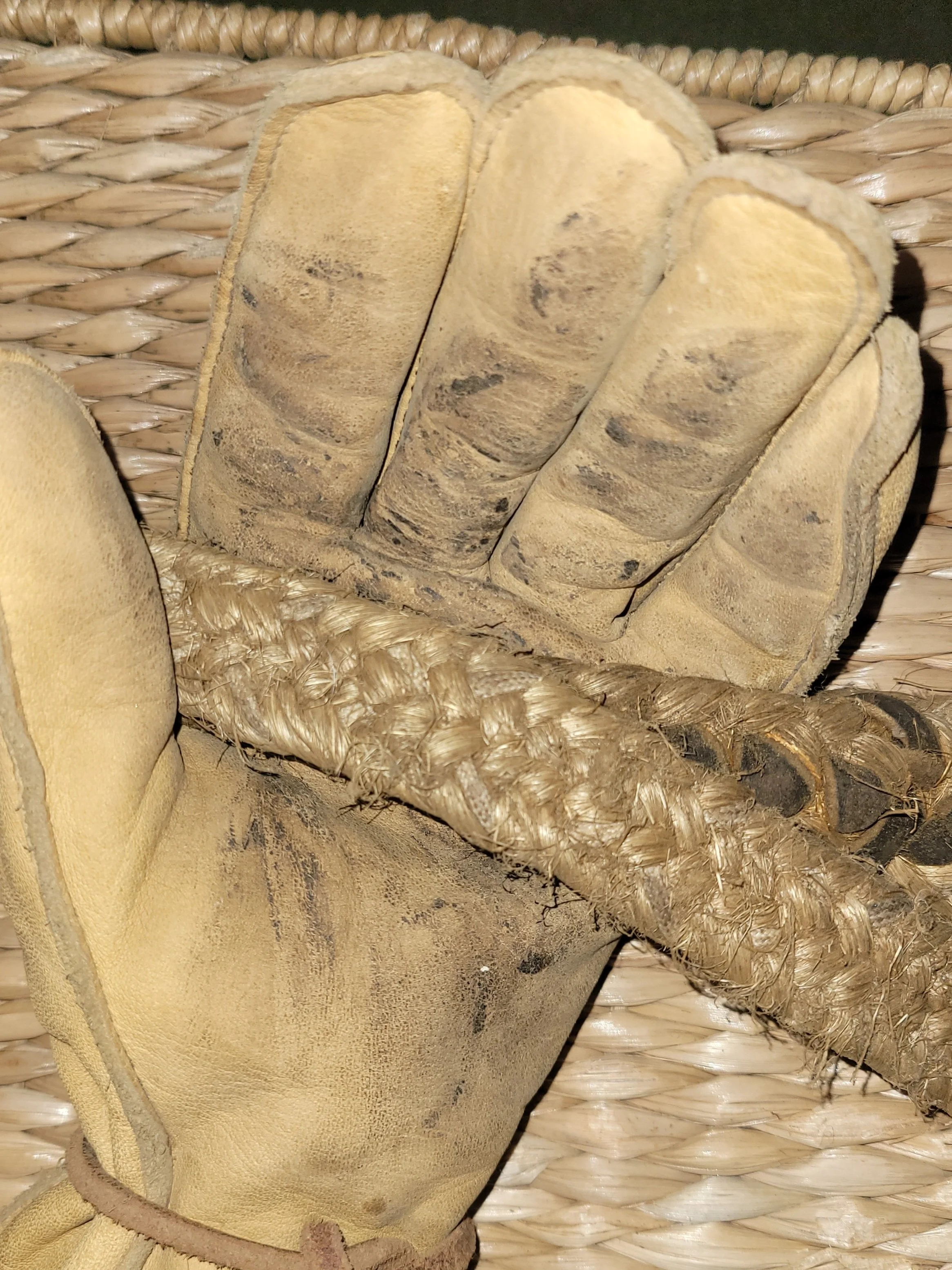
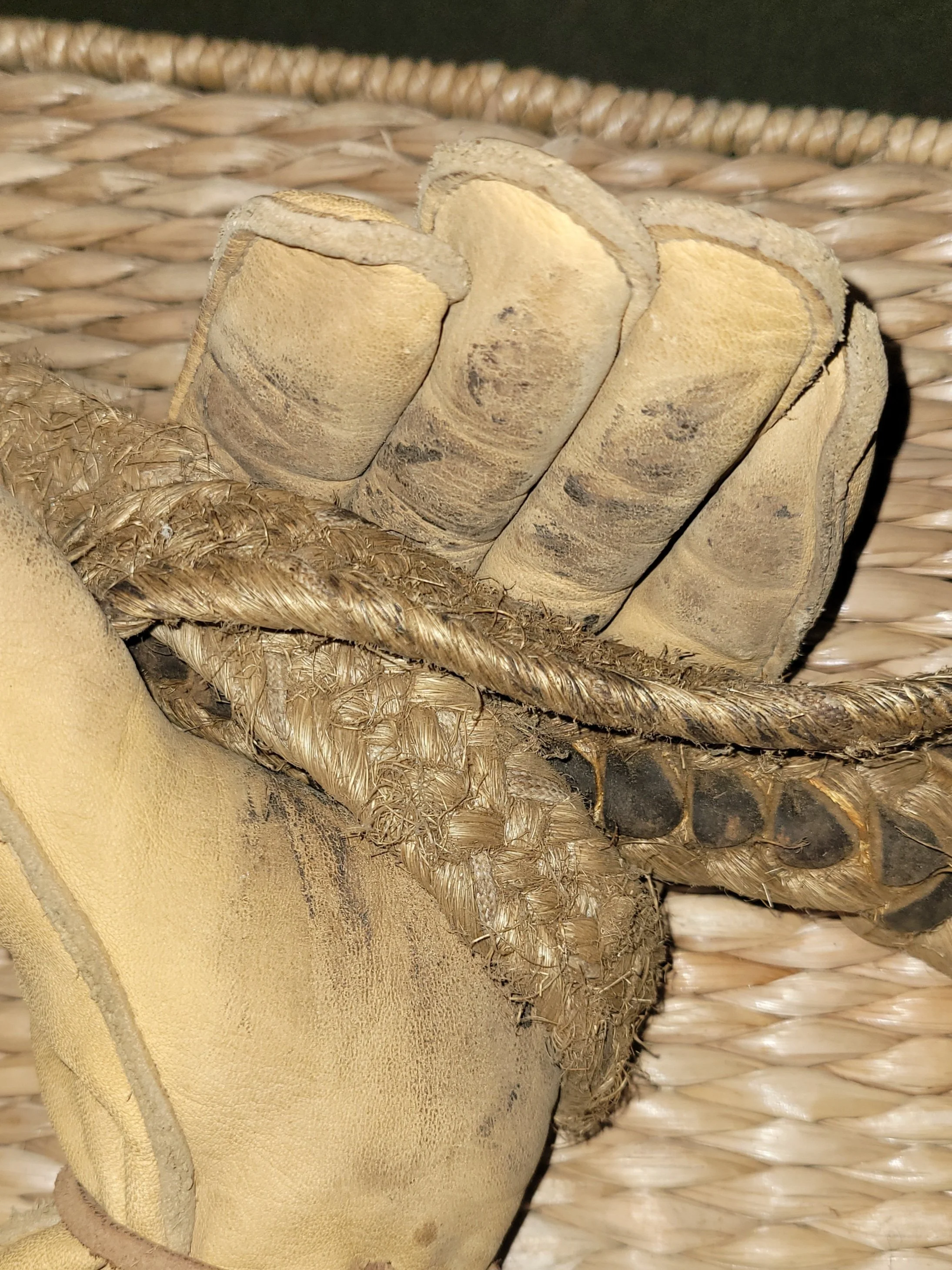
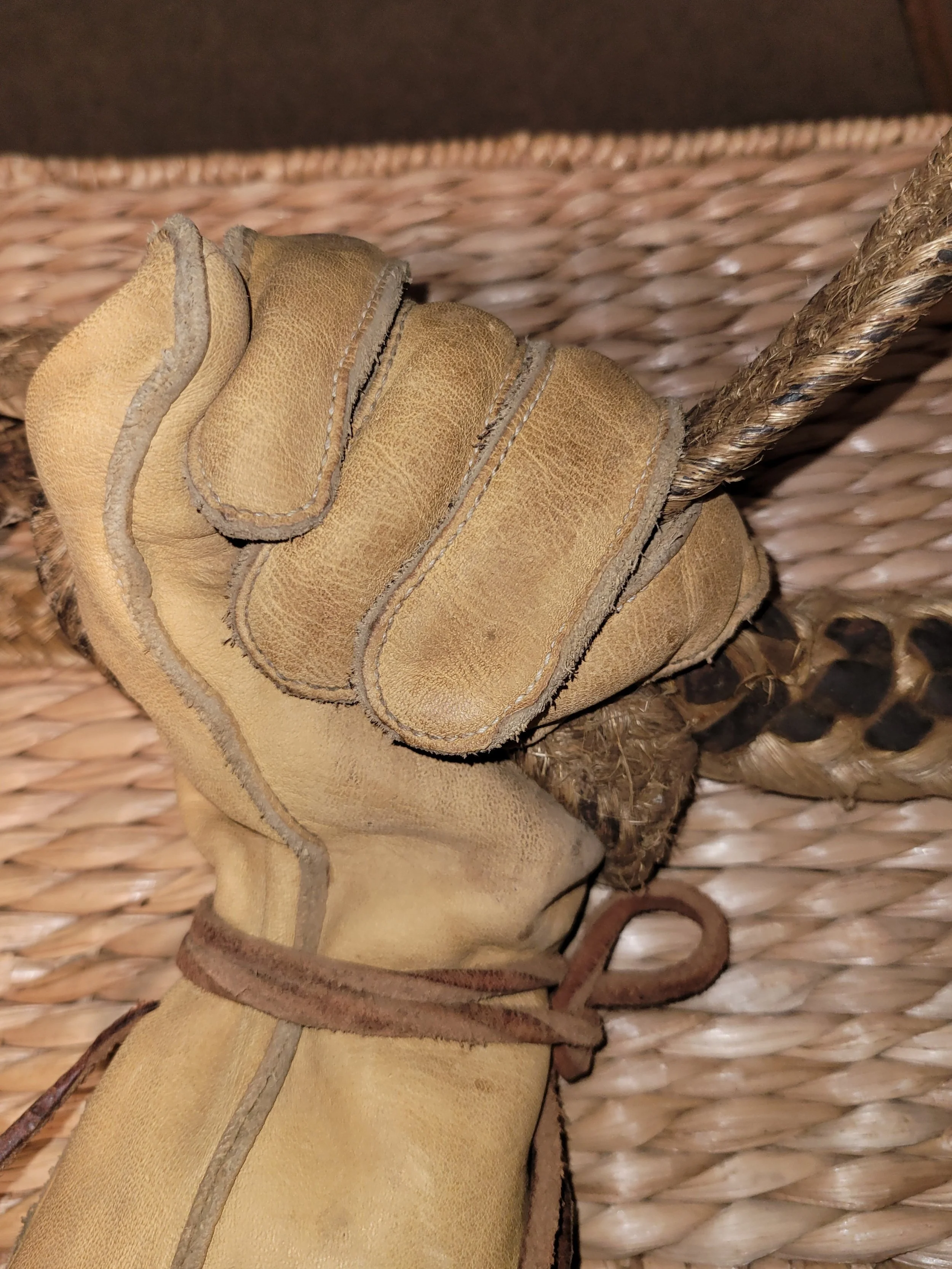
This was standard practice, and at that junior rodeo it was the technique the boys were allowed to employ. The girls, however, were only allowed to lay the strap across their palm before gripping tightly—no rosin, no taking a wrap, and no weaving through the fingers. Well, guess what? None of us who rode one-handed could hold on. It was the first and only time I ever got bucked off, and I was outraged.
The second time I felt the impact of gender discrimination was at our local summer rodeo. I was sixteen at the time and there was only a cow riding event for men. It was my dad who suggested I sign up anyway, and when the weekend arrived, I finished third or fourth (I can’t remember which). I never heard the ensuing scuttlebutt, but my dad was so tickled to see men razzing each other about being beaten by a slip of a girl. The following year when I sent in my entry form, I was told the event had been closed to men only.
These roadblocks only made me try harder, and the lessons I learned from the experience carried forward into adulthood. In my budding career in the male-dominated industry of manufacturing, I quickly learned the rules were different for women. But I was lucky. Trailblazers like Gloria Steinem and Dorothy Pitman Hughes had forged the way, and the challenges I faced as a young professional woman were not as daunting as those who had come before me.
Perhaps it is the same for today’s female bull riders. I was thrilled to see the Hulu docuseries Not Her First Rodeo, which follows Jorden Halvorsen and four other female professional bull riders as they try to break into the ever still male-dominated sport. These gutsy women have a long line of those who’ve come before, and cowboy hats off to them for continuing the fight. You go girl!
To comment on this post, click here for my Contact page.
